American Airlines CEO Dismisses United Merger Rumors, Teases Potential Alaska Airlines Partnership
Exploring Strategic Options: American Airlines Looks North After Rejecting United Tie-Up
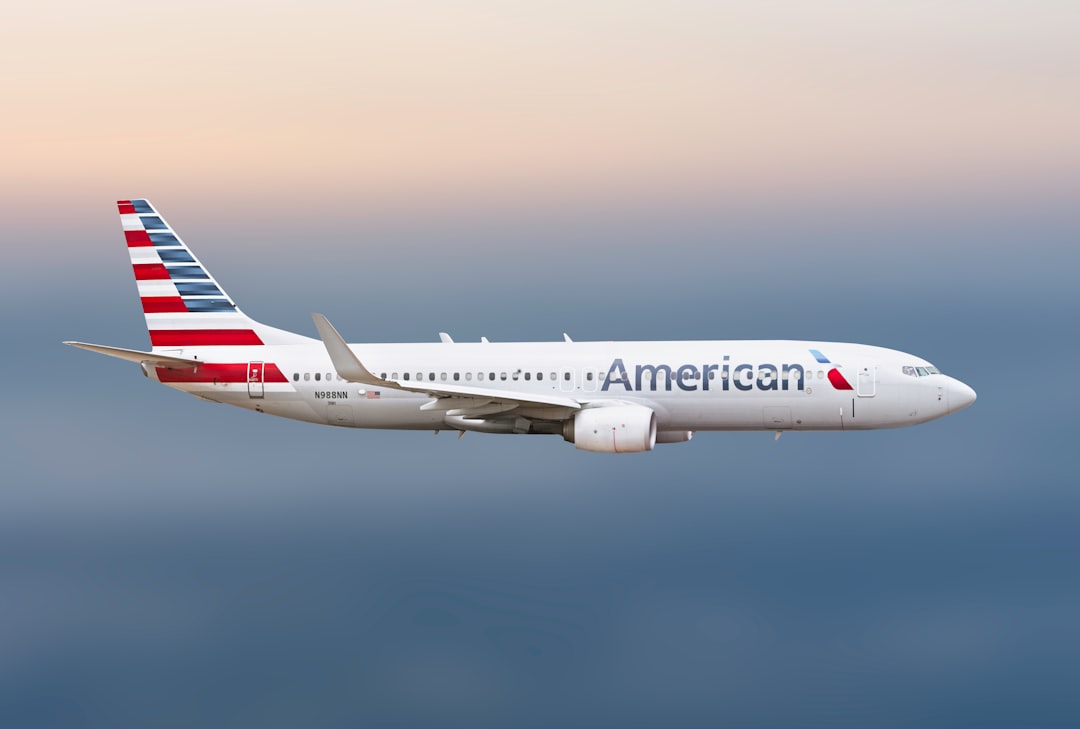
American Airlines Takes a Stand Against United Merger
In a decisive move, American Airlines CEO has publicly dismissed any speculation regarding a merger with United Airlines. The decision comes amidst a wave of consolidation talks in the aviation industry, where larger airlines explore mergers to expand their market share and operational efficiencies. The CEO emphasized that American Airlines is committed to its current growth strategy, focusing on organic expansion and enhancing customer experience.
The Alaska Airlines Connection: A New Frontier?
While American Airlines has closed the door on United, it appears to be opening another with Alaska Airlines. The CEO hinted at a potential partnership or alliance, which could bring strategic benefits to both carriers. Alaska Airlines, known for its strong presence on the West Coast and in the Pacific Northwest, could complement American Airlines' extensive national and international network. This potential collaboration could bolster route offerings, share resources, and improve operational efficiencies, providing a competitive edge in the market.
Industry Implications: A Shift in Strategy
The decision to reject a merger with United and consider a deal with Alaska Airlines signals a strategic pivot for American Airlines. In recent years, the aviation industry has seen a trend towards consolidation, but American's move suggests a focus on strategic alliances rather than full mergers. This approach allows for shared benefits without the complexities and regulatory hurdles of a full merger. Analysts suggest that this could lead to a more flexible and responsive business model, better suited to the dynamic nature of the aviation market.
Customer Impact: What Travelers Can Expect
For travelers, the potential American-Alaska partnership could mean more flight options and improved service offerings. By leveraging each other's strengths, the airlines could offer more competitive pricing, expanded loyalty programs, and enhanced connectivity. Customers flying on the West Coast may benefit from better access to American's international routes, while those flying globally could see improved connections to Alaska's domestic network. This potential collaboration aims to enhance the overall travel experience by providing more choices and convenience.
Looking Ahead: Challenges and Opportunities
While the prospect of a partnership with Alaska Airlines is promising, it is not without challenges. Integrating operations and aligning corporate cultures can be complex. However, if successful, this partnership could set a precedent for future industry collaborations. Both airlines will need to navigate regulatory approvals and stakeholder expectations. The aviation industry will be watching closely to see how this potential partnership evolves and what it means for the competitive landscape.