Tesla Cybercab Revolutionizes Urban Transport with New Features
Unveiling the Innovations of Tesla's First Mass-Produced Cybercab
The Dawn of the Cybercab Era
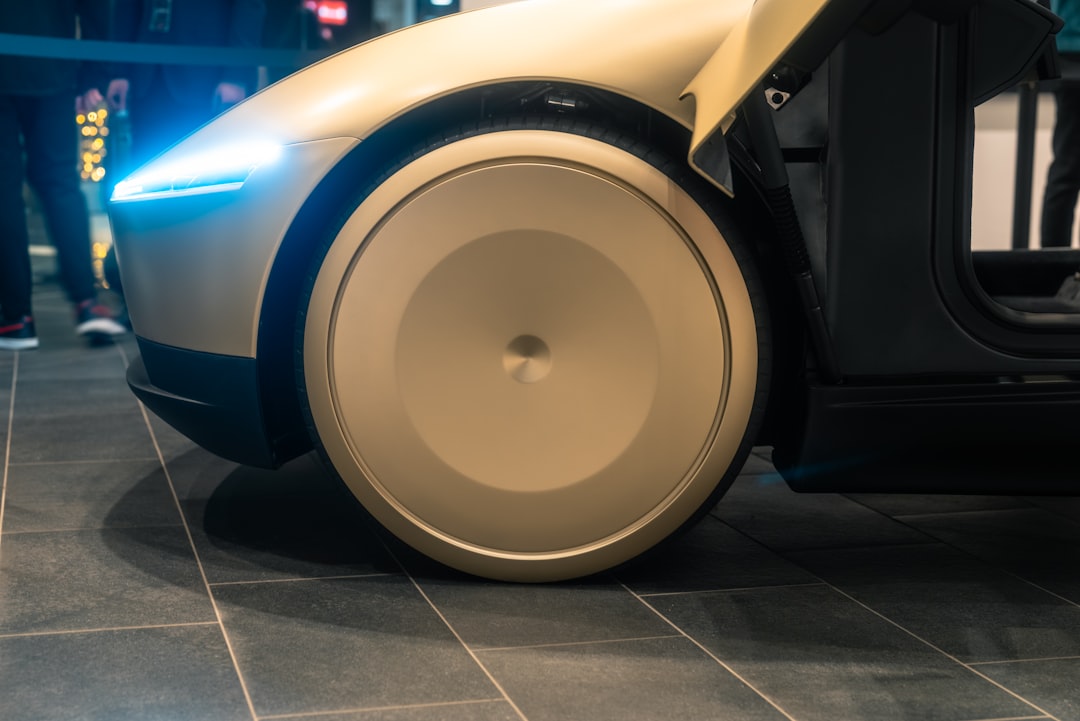
Tesla has officially begun mass production of its much-anticipated Cybercab, signaling a new era in urban transportation. The Cybercab, derived from Tesla's innovative Cybertruck design, promises to redefine how we perceive city commutes with its futuristic aesthetics and cutting-edge technology. The vehicle is particularly aimed at urban centers where the need for efficient, eco-friendly public transport solutions is dire.
Sleek Design and Impressive Features
The Cybercab boasts a sleek design that combines the rugged appeal of the Cybertruck with the sophistication required for a city taxi. It features an all-electric powertrain, ensuring zero emissions and a reduced carbon footprint. The spacious interior is designed to maximize comfort for passengers, while the driver benefits from Tesla's advanced autopilot system, which aids in navigation and enhances safety.
Technological Advancements
One of the standout features of the Cybercab is its integration of Tesla's latest autonomous driving technology. This includes a comprehensive suite of sensors and cameras that provide a 360-degree view around the vehicle, enabling it to navigate complex urban environments with ease. The Cybercab also comes equipped with an AI-driven interface that personalizes the travel experience for passengers, offering route suggestions and entertainment options.
Sustainability and Economic Impact
The introduction of the Cybercab is not just a technological marvel but also a significant step towards sustainable urban living. By replacing traditional gas-powered taxis with electric ones, cities can significantly reduce air pollution and noise levels. Economically, the Cybercab is expected to create new jobs in both manufacturing and services sectors, as cities adopt this innovative mode of transportation.
Challenges and Future Prospects
Despite its many advantages, the Cybercab faces challenges such as regulatory hurdles and the need for robust charging infrastructure. However, Tesla's commitment to innovation and sustainability suggests that these challenges can be overcome. As more cities recognize the benefits of transitioning to electric public transport, the demand for Cybercabs is expected to grow, paving the way for widespread adoption.