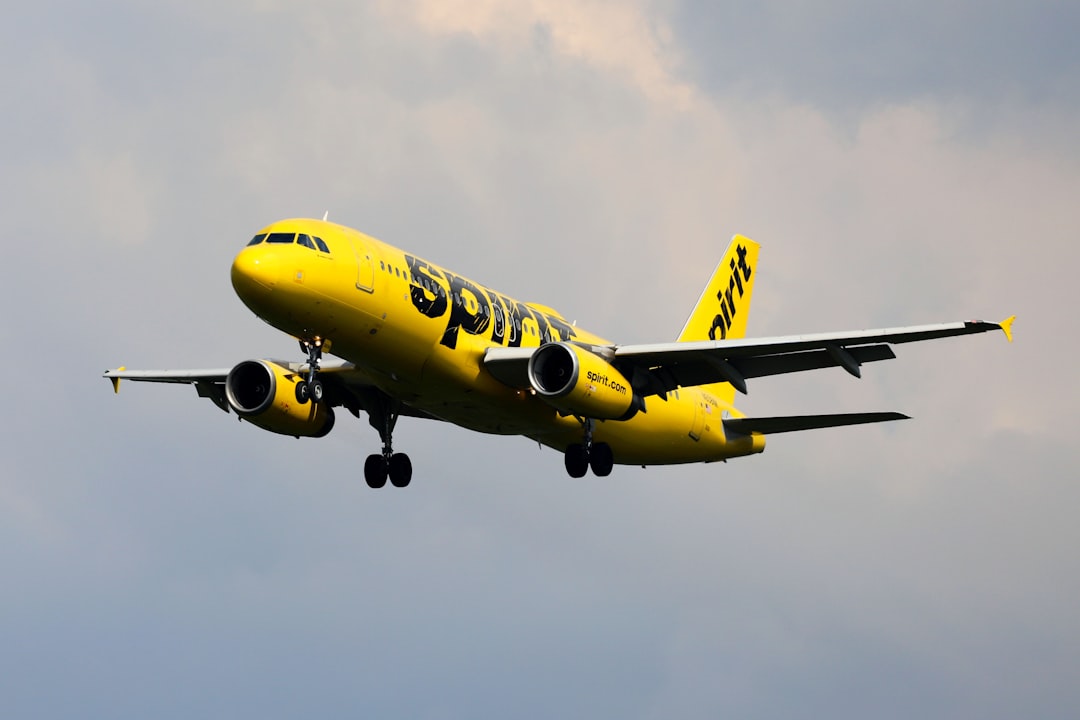
White House Weighs Defense Production Act for Spirit Airlines Merger
Biden Administration Considers Strategic Economic Move in Airline Industry
Understanding the Defense Production Act
The Defense Production Act (DPA) is a historical piece of legislation first enacted in 1950 during the Korean War. Its primary purpose is to ensure the availability of essential materials and services for national defense. Over the years, the DPA has been used to prioritize contracts, allocate resources, and expand productive capacity in critical sectors. Recently, it has been invoked to address public health emergencies, such as during the COVID-19 pandemic. The current consideration for its use in the Spirit Airlines merger highlights its flexibility and the evolving nature of national interest.
Spirit Airlines and the Competitive Airline Landscape
Spirit Airlines is known for its low-cost flight offerings, serving a significant portion of budget-conscious travelers in the U.S. However, the airline industry is highly competitive, and consolidation has been a recurring theme as companies seek to optimize operations and expand market share. The merger between Spirit Airlines and JetBlue represents a strategic move to create a stronger entity capable of competing with major airlines like American, Delta, and United. The potential use of the DPA indicates the administration's interest in influencing this competitive landscape for broader economic or strategic reasons.
Economic Implications of the Merger
Mergers and acquisitions in the airline industry can lead to increased efficiency, better resource allocation, and potentially lower prices for consumers due to economies of scale. However, they can also result in reduced competition, which might lead to higher fares and fewer choices for consumers. By considering the DPA in the Spirit Airlines merger, the White House may be looking to ensure that the merger aligns with national economic goals, such as job creation, supply chain stability, and maintaining competition within the industry.
A Strategic Move for the Biden Administration
The Biden administration’s consideration of the DPA in this context suggests a proactive approach to shaping the economic landscape. By potentially facilitating the merger, the administration could be aiming to strengthen the U.S. aviation sector, which is crucial for both domestic and international connectivity. This move could also be seen as part of a broader strategy to ensure that critical industries remain robust and competitive in the face of global challenges, such as geopolitical tensions and economic uncertainty.
Challenges and Considerations
While the potential use of the DPA may offer strategic advantages, it also comes with challenges. There needs to be a careful assessment of the merger’s impact on consumers, employees, and the overall market. The administration must balance these factors while considering the broader implications for the economy. Additionally, there will be legal and political hurdles to navigate, as stakeholders from various sectors may have differing views on the merger and its potential consequences.