Will Geopolitical Tensions and Oil Prices Fuel a Market Surge?
Navigating the Uncertainty: How Iran's Conflict and Oil Prices Impact Investors
Understanding the Current Geopolitical Landscape
The stock market's recent volatility can be largely attributed to geopolitical tensions, particularly involving Iran. As international relations become strained, investors are closely monitoring developments that could have far-reaching impacts on global markets. The potential for conflict in the region has raised concerns about oil supply disruptions, which could further influence market dynamics.
The Role of Oil Prices in Market Fluctuations
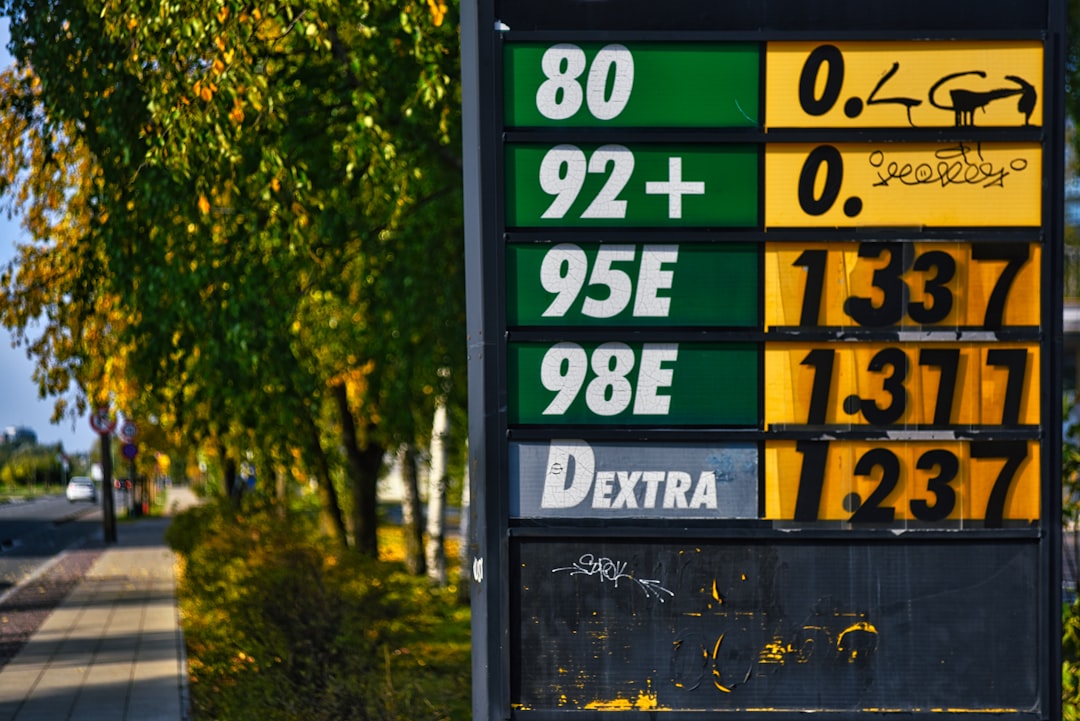
Oil prices have always been a critical factor in global economic stability. With the possibility of conflict in Iran, oil prices have shown significant fluctuations. Investors must consider how rising oil prices could affect various sectors, from transportation to manufacturing, and ultimately influence stock market trends. A surge in oil prices could lead to increased production costs and reduced consumer spending, dampening market growth.
Investor Strategies Amid Uncertainty
In times of geopolitical uncertainty, investors often seek safe havens to protect their assets. Diversification remains key, with many turning to commodities, bonds, and defensive stocks. Additionally, monitoring central bank policies can provide insights into potential market responses to geopolitical events. Staying informed and agile can help investors navigate these turbulent times.
Long-Term Implications for Global Markets
While short-term market reactions to geopolitical events are often volatile, it's important to consider the long-term implications. Prolonged conflicts can lead to sustained changes in trade dynamics and global economic growth. Investors should assess the potential for structural shifts in the market and adjust their portfolios accordingly to mitigate risks and capitalize on opportunities.