The Potential Global Shockwave from a Strait of Hormuz Disruption
Exploring the Economic Ripple Effects of a Critical Maritime Chokepoint Shutdown

The Strategic Importance of the Strait of Hormuz
The Strait of Hormuz is a vital maritime passage located between the Persian Gulf and the Gulf of Oman. It serves as a crucial artery for the transportation of oil and gas, with approximately 20% of the world's petroleum passing through its narrow waters. This chokepoint is particularly significant for oil-dependent economies, making its security a priority on the global stage.
Economic Implications of a Shutdown
In the event of a shutdown of the Strait of Hormuz, the immediate impact would be a significant disruption to the global oil supply. The reliance on this route by major oil-producing countries, including Saudi Arabia and the United Arab Emirates, means that any obstruction could lead to skyrocketing oil prices. This would trigger inflationary pressures worldwide, affecting everything from transportation costs to the price of goods and services.
Geopolitical Tensions and Their Economic Fallout
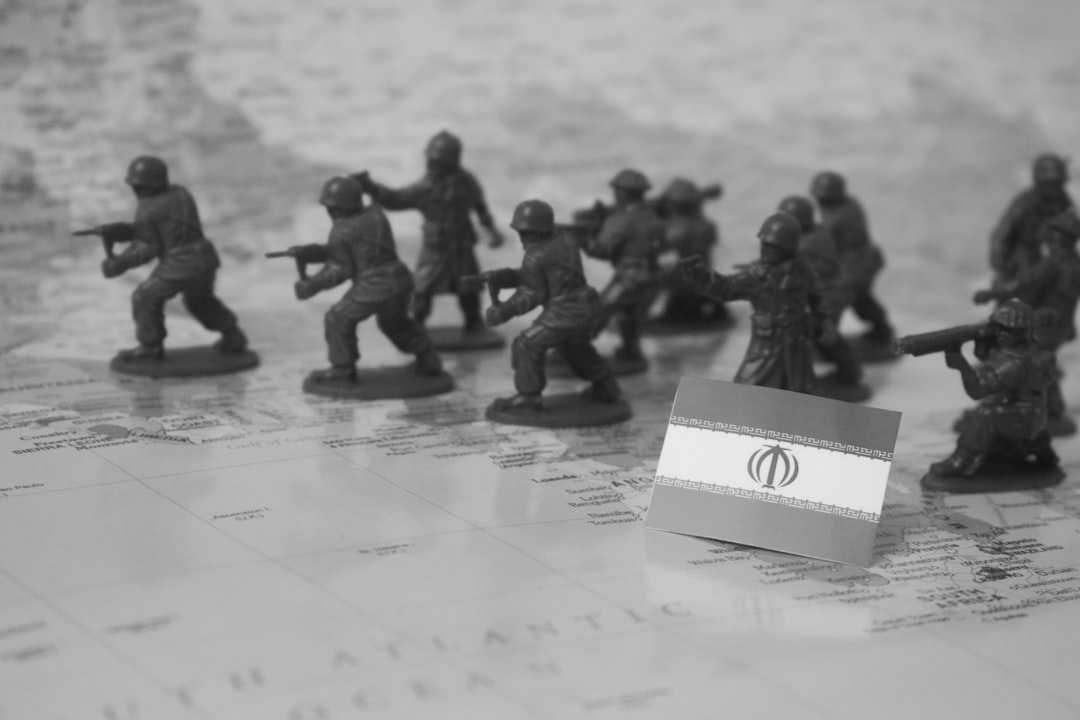
The strait's strategic location often places it at the heart of geopolitical tensions, particularly between Iran and Western countries. Any conflict or threat of closure could exacerbate existing tensions, influencing global markets and investor confidence. This uncertainty could hinder economic growth and lead to fluctuations in stock markets globally.
Global Trade and Energy Security
Beyond oil, the Strait of Hormuz is a critical channel for the global trade of liquefied natural gas (LNG). Countries like Japan and South Korea depend heavily on LNG shipments from the Middle East. A shutdown could challenge their energy security, forcing them to seek alternative, potentially more expensive sources, impacting their economies.
Mitigation Strategies and Global Responses
To mitigate the risk of a potential shutdown, countries and companies are exploring alternative routes and increasing strategic petroleum reserves. The diversification of energy sources, such as investing in renewable energy, could also reduce dependency on this vital chokepoint. Meanwhile, diplomatic efforts continue to ensure the strait remains open, balancing regional stability with global economic interests.