Shifting Dynamics: Iran's Waning Control Over the Strait of Hormuz
Understanding the Impact on Global Oil Markets
Iran's Historical Leverage Over the Strait of Hormuz
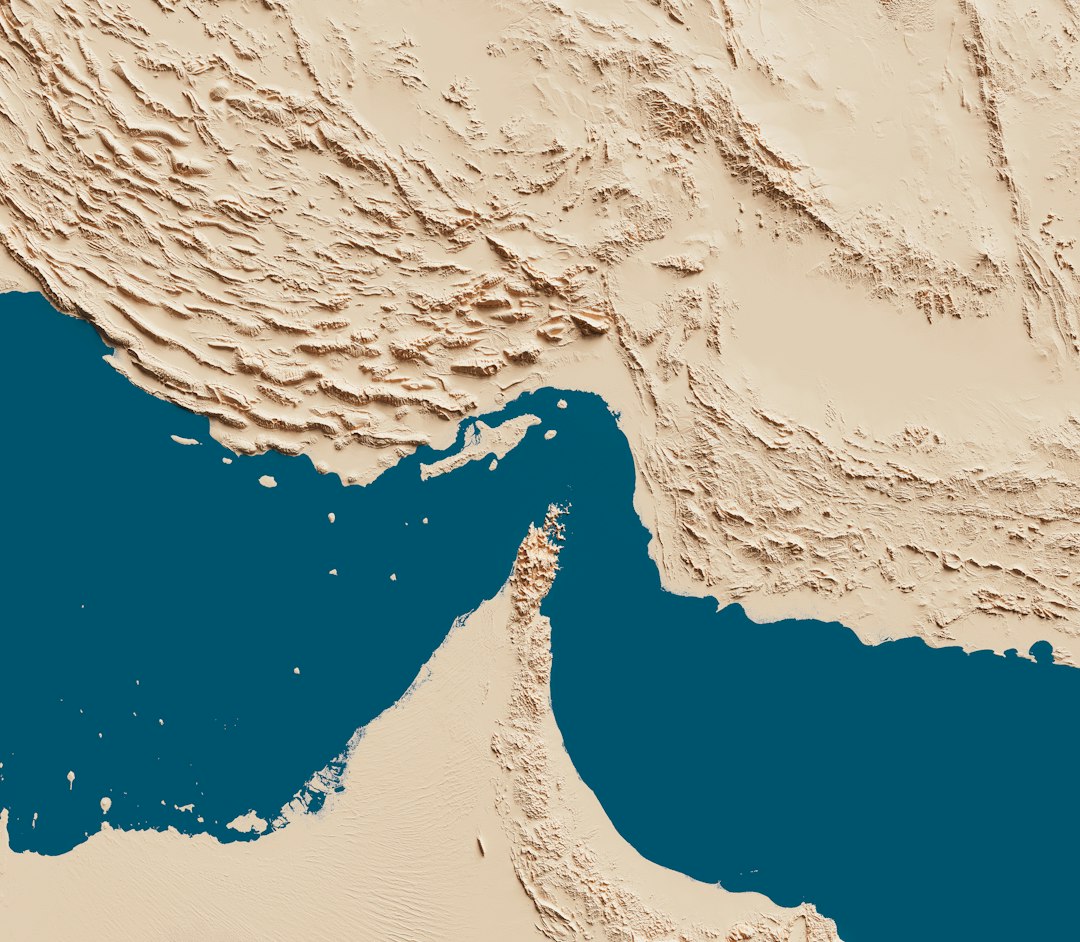
For decades, Iran has wielded significant influence over the Strait of Hormuz, a vital maritime chokepoint through which approximately 20% of the world's oil passes. This strategic position has allowed Iran to exert pressure on global oil supply, affecting prices and international relations. Historically, Iran's control over this narrow waterway has been a cornerstone of its geopolitical strategy, leveraging its position to counterbalance economic sanctions and diplomatic pressures.
Emerging Challenges to Iran’s Dominance
However, recent developments indicate a shift in this balance of power. Increased U.S. naval presence, international partnerships, and advancements in alternative routes for oil transportation have started to challenge Iran's dominance. Countries like Saudi Arabia and the UAE have invested heavily in infrastructure that bypasses the Strait, reducing their reliance on this critical passage. Additionally, the global push towards renewable energy and the diversification of energy sources have further eroded Iran's leverage.
Impact on Global Oil Prices
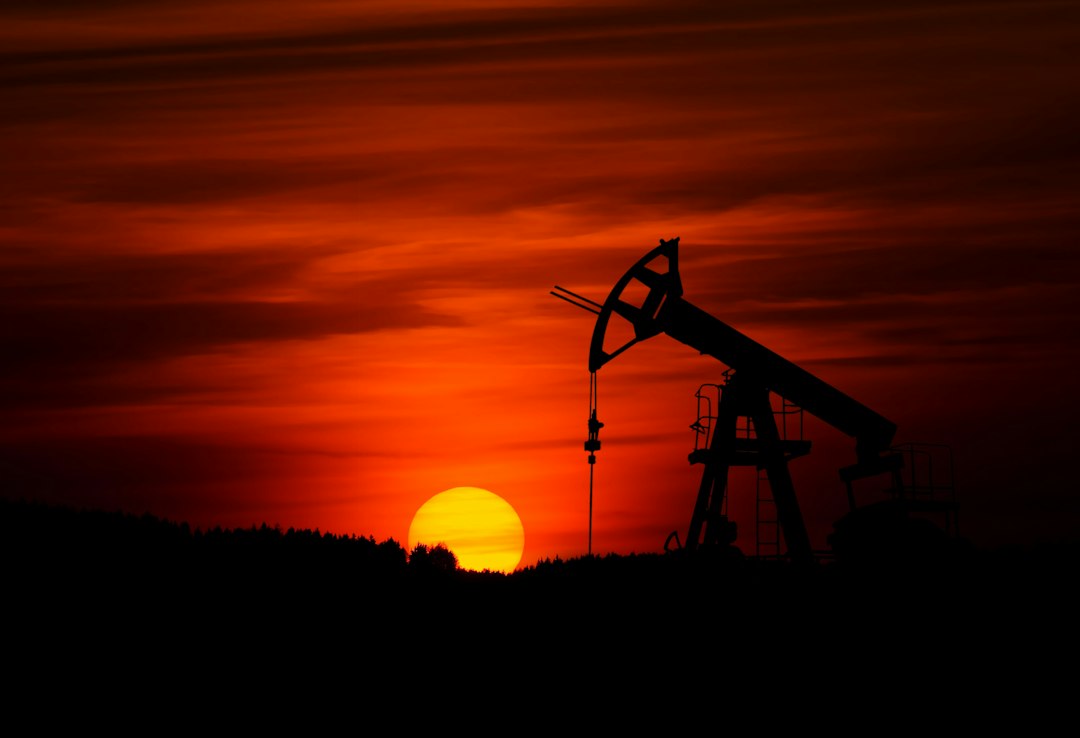
The diminishing control of Iran over the Strait of Hormuz is having notable implications on global oil prices. While traditionally, tensions in the region would lead to spikes in crude prices due to fears of supply disruptions, the current situation is different. With more stable alternative routes and increased global oil production, the market is less susceptible to Iranian threats. This stability is reflected in more steady oil prices, despite geopolitical tensions in the region.
Geopolitical Implications
Iran's waning influence over the Strait also carries significant geopolitical ramifications. For Iran, this loss of leverage could lead to a reevaluation of its foreign policy and regional alliances. For other countries, especially those in the Gulf Cooperation Council, it presents an opportunity to assert more control over regional security and economic stability. The United States and its allies may also find new avenues for diplomatic engagement and conflict resolution in the Middle East.
Future Prospects and Strategic Moves
Looking ahead, Iran may need to adapt its strategies to maintain relevance in the region. This could involve strengthening its economic ties with key partners, investing in domestic oil production, or pivoting towards alternative economic sectors. For the global community, the focus will likely remain on ensuring the security of energy supplies and continuing the transition towards sustainable energy solutions. The situation remains dynamic, and stakeholders must remain vigilant to changes in this critical part of the world.