Job Market Shifts: Rising Unemployment Amid Slower Growth
Economic Indicators Signal Changes as Employers Pull Back on Hiring
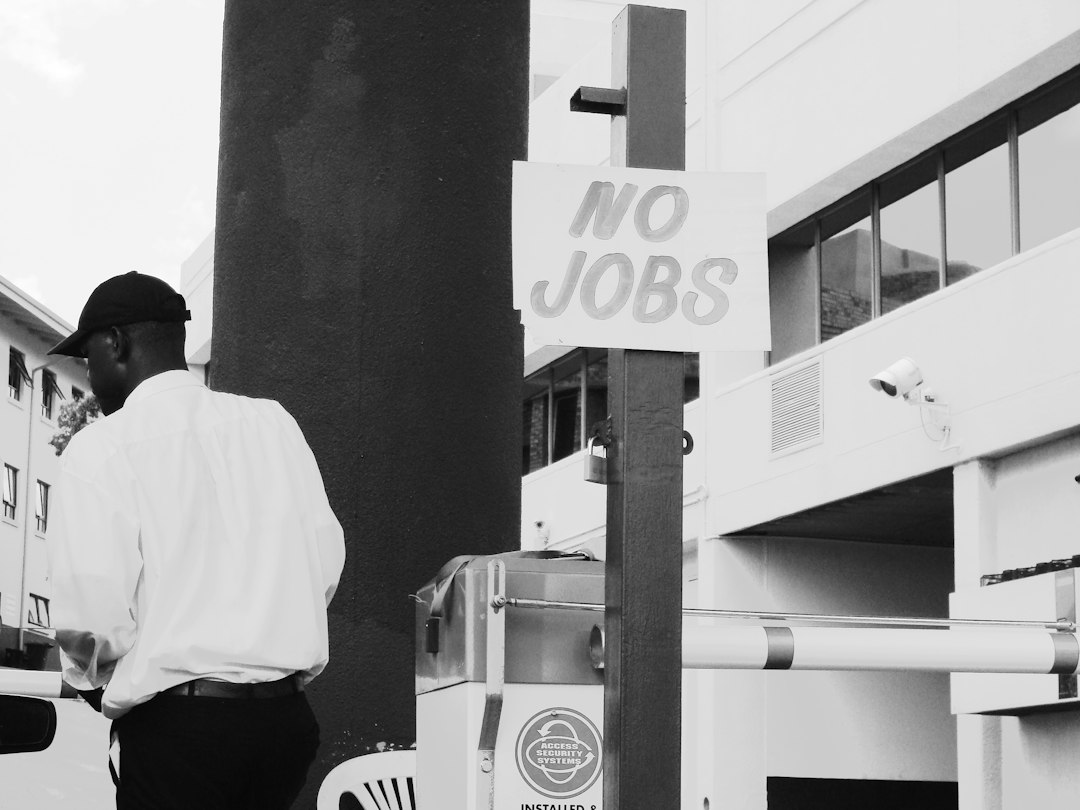
Understanding the Recent Rise in Unemployment
The labor market is experiencing a shift as the latest data indicates a rise in the unemployment rate. This increase, though slight, marks a significant change in the economic landscape as job growth begins to decelerate. Analysts suggest that this may be the result of various factors, including economic uncertainty and companies recalibrating their hiring strategies. While the current unemployment rate remains relatively low compared to historical data, the upward tick is enough to cause concern among policymakers and economists.
Factors Contributing to Slowing Job Growth
Several factors are contributing to the slowdown in job growth. Firstly, the Federal Reserve's monetary policy aimed at controlling inflation has led to higher interest rates, which in turn have increased borrowing costs for businesses. This has discouraged some companies from expanding and hiring new employees. Additionally, global economic uncertainties, such as trade tensions and supply chain disruptions, continue to impact business confidence, further slowing down the pace of job creation.
The Impact on Different Sectors
The slowdown in job growth is not uniform across all sectors. Industries such as technology and finance, which have experienced rapid growth over the past few years, are showing signs of cooling off. In contrast, sectors like healthcare and logistics continue to see steady demand for workers, driven by demographic shifts and ongoing supply chain needs. This divergence highlights the complex nature of the current economic situation and the varied responses among different industries.
Implications for the Economy and Policy
The rise in unemployment coupled with slowing job growth poses challenges for the broader economy. Consumer spending, a key driver of economic growth, may be affected as job security becomes a concern for many. In response, policymakers may need to consider measures to stimulate the economy and support job creation. This could include revisiting tax policies, increasing investment in infrastructure, or providing targeted support to affected industries.
Looking Ahead: What to Expect
As the economy navigates these changes, experts suggest that it is crucial to monitor upcoming employment reports and economic indicators. While some level of fluctuation is normal, sustained increases in unemployment or further declines in job growth could warrant more significant intervention. For now, businesses and workers alike are advised to stay informed and adaptable in this evolving job market.