How Changes to Fuel Economy Standards Impact Your Drive
Examining the Effects of Revised Fuel Standards on Consumers and the Environment
Background on the Rollback
In recent years, the Trump administration has taken significant steps to alter existing fuel economy standards initially set by the Obama administration. These standards, part of the Corporate Average Fuel Economy (CAFE) regulations, were designed to progressively increase the average fuel efficiency of cars and light trucks sold in the United States. The rollback has stirred debates about its implications for the automotive industry, consumers, and the environment.
Impact on Drivers
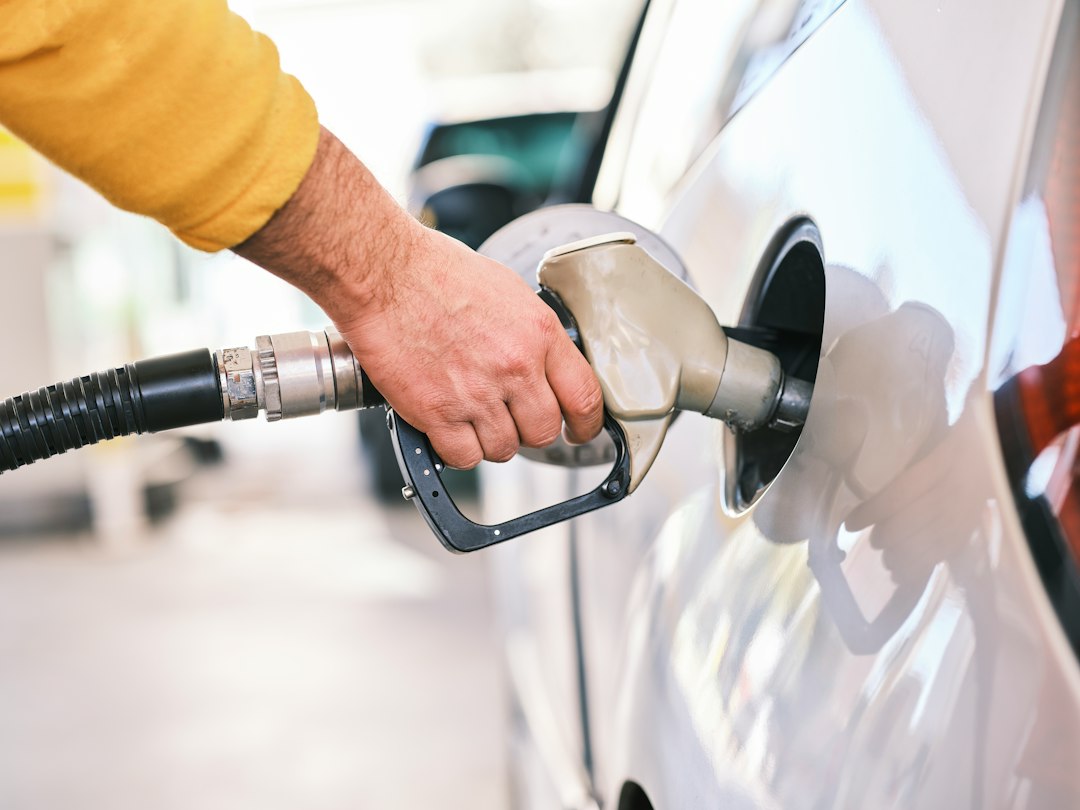
For drivers, the rollback of fuel economy standards could lead to several changes. First, vehicles may become less fuel-efficient, leading to higher fuel costs over time. While the initial purchase price of new cars might decrease due to lower compliance costs for manufacturers, the long-term expenses for fuel could offset these savings. Additionally, drivers concerned about the environmental impact of their vehicles may face fewer options for eco-friendly cars.
Environmental Considerations
Critics of the rollback argue that it undermines efforts to combat climate change by allowing for increased greenhouse gas emissions. The original CAFE standards were part of a broader strategy to reduce the carbon footprint of the transportation sector, which is a significant contributor to total emissions in the US. By relaxing these standards, the rollback could hinder progress toward environmental goals and affect air quality.
Repercussions for the Automotive Industry
The automotive industry must navigate the complexities of changing regulations. While some manufacturers may welcome the reduced regulatory burden and costs, others express concerns about being unprepared for a global market that increasingly demands fuel-efficient and low-emission vehicles. This divergence could influence the industry's strategic direction, investment in technology, and competitiveness on the international stage.
Potential Legal and Political Challenges
The rollback of fuel economy standards has sparked legal challenges from several states and environmental groups, arguing that it violates the Clean Air Act. Additionally, the political landscape may shift with future administrations, potentially leading to further changes in policy. This uncertainty can complicate long-term planning for both consumers and the automotive industry.