Volkswagen Shifts Gear: Embraces Gas-Powered SUVs in U.S. Market
The automotive giant reconsiders its strategy, sidelining the ID.4 EV for traditional SUVs
Volkswagen's Strategic Pivot
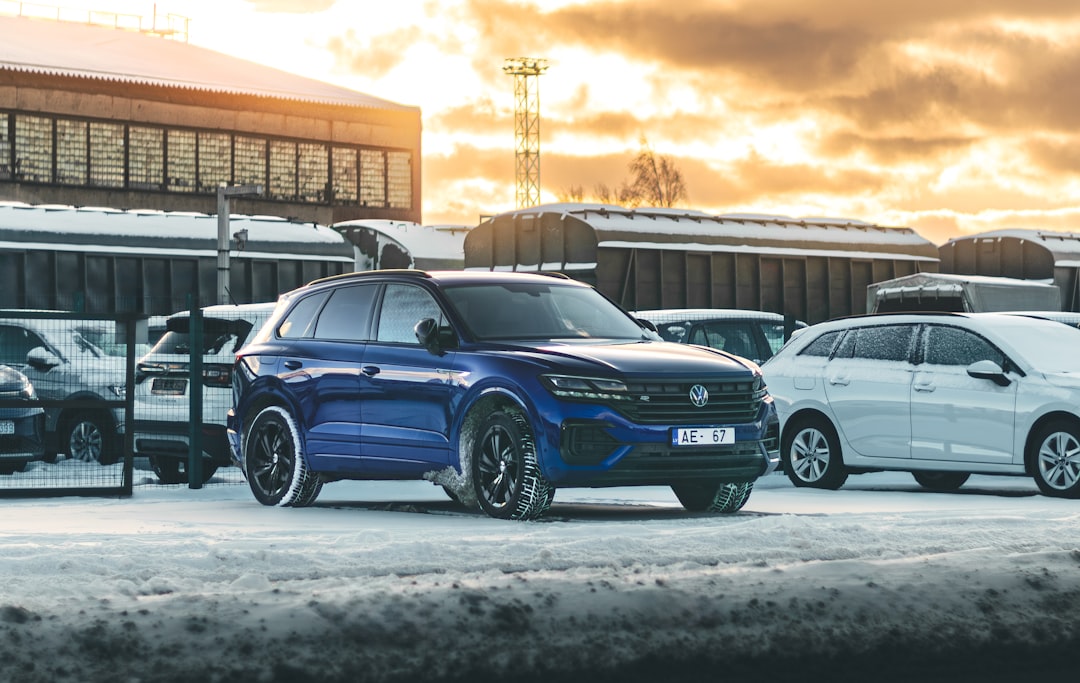
In a surprising turn of events, Volkswagen has announced its decision to pause the sale of its all-electric ID.4 in the United States, refocusing efforts on its line of gas-powered SUVs. This shift comes in response to evolving consumer preferences and market dynamics that suggest a stronger demand for traditional SUVs over electric vehicles. Volkswagen's strategic pivot highlights the complexities automakers face in balancing innovation with market realities.
Understanding the Market Dynamics
Despite the global push towards electrification, the U.S. market has shown a robust preference for gasoline-powered vehicles, particularly SUVs. Factors such as fuel prices, infrastructure for electric vehicles, and consumer habits play significant roles in shaping these preferences. Volkswagen’s decision reflects the need to align with these market conditions to maintain and grow its market share in the region.
The Future of Electric Vehicles
While Volkswagen is currently shifting focus, the company remains committed to its long-term vision of electrification. The pause on the ID.4 does not signify a withdrawal from the EV market but a strategic realignment. Volkswagen continues to invest in electric vehicle technologies and infrastructure, anticipating a future where EVs play a larger role in the automotive landscape.
Industry Implications and Competitors
Volkswagen's move may influence other automakers as they navigate the challenges of transitioning to electric vehicles amidst varying market demands. Competitors like Tesla, which is heavily invested in EVs, may capitalize on this gap. However, the competition also highlights the diverse strategies in the automotive industry, with companies choosing different paths to achieve sustainability and profitability.
Consumer Response and Expectations
Consumer response to Volkswagen's pivot will be crucial. Those who favor traditional SUVs may welcome the broader selection, while advocates for electric vehicles could view this as a setback. The decision underscores the importance of consumer feedback in shaping automotive strategies and highlights the ongoing dialogue between manufacturers and the market they serve.