U.S. Gas Prices Set to Dip Below $4: What This Means for Consumers
The Factors Behind the Potential Drop in Gasoline Prices
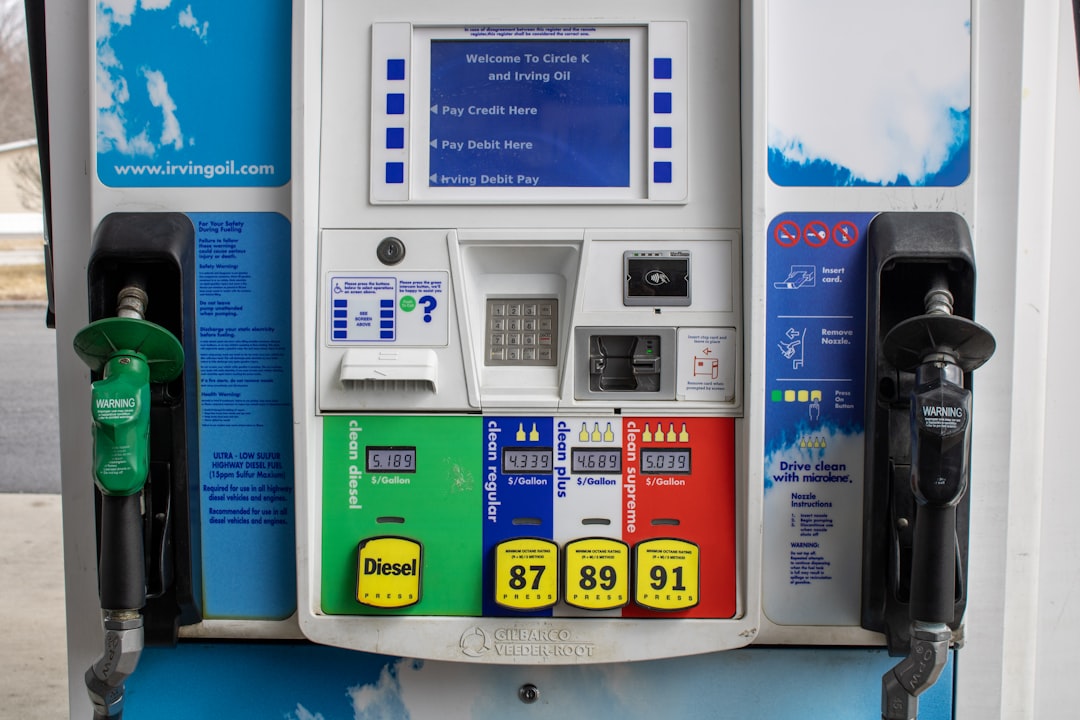
Current Trends in Gasoline Prices
As the United States gears up for the potential of gasoline prices dropping below $4 per gallon, consumers and analysts alike are keenly watching the market dynamics. Recent data from NPR suggests that this decline could happen in the coming days, providing much-needed relief for motorists across the country. This potential decrease in prices is attributed to a combination of factors, including shifts in global oil supply, domestic production rates, and seasonal demand changes.
Global Oil Supply and Market Dynamics
One of the primary drivers behind the expected drop in gasoline prices is the fluctuation in global oil supply. Major oil-producing nations have increased production in recent months, leading to an oversupply in the market. Additionally, geopolitical tensions that previously disrupted supply chains have eased, contributing to the stabilization of oil prices. These changes have a direct impact on the price consumers pay at the pump.
Domestic Production and Its Role
The United States has seen a steady increase in domestic oil production, particularly from shale reserves. This boost in production has helped to lower the country's dependence on foreign oil and has played a significant role in keeping gasoline prices in check. With refineries operating at higher capacities, the supply of gasoline has remained robust, further supporting the potential price drop.
Seasonal Demand and Consumer Behavior
Traditionally, gasoline prices tend to rise during the summer months due to increased travel and demand. However, as the summer season ends, there is typically a decrease in demand, which can lead to lower prices. This seasonal shift, combined with current market conditions, suggests that prices could fall below the $4 mark soon. Consumers may see this as an opportunity to save money on fuel costs as the holiday season approaches.
Economic Implications of Lower Gas Prices
A decrease in gasoline prices can have widespread economic implications. For consumers, lower fuel costs mean more disposable income, which can boost spending in other areas of the economy. Businesses that rely on transportation and logistics may also benefit from reduced operating costs. However, it's important to consider the potential impact on the oil industry, where lower prices could lead to reduced revenues and affect jobs in the sector.
What Consumers Can Expect
As the potential for gasoline prices to drop below $4 becomes more likely, consumers should remain informed about market trends. Keeping an eye on local gas stations and taking advantage of price comparison tools can help individuals maximize their savings. Additionally, understanding the broader market dynamics can provide insights into how long the lower prices might last and what factors could influence future changes.