The Ripple Effects of Iran's Crisis on Europe's Energy Strategies
How geopolitical tensions are reshaping the continent's energy landscape
Geopolitical Tensions and Europe's Energy Supply
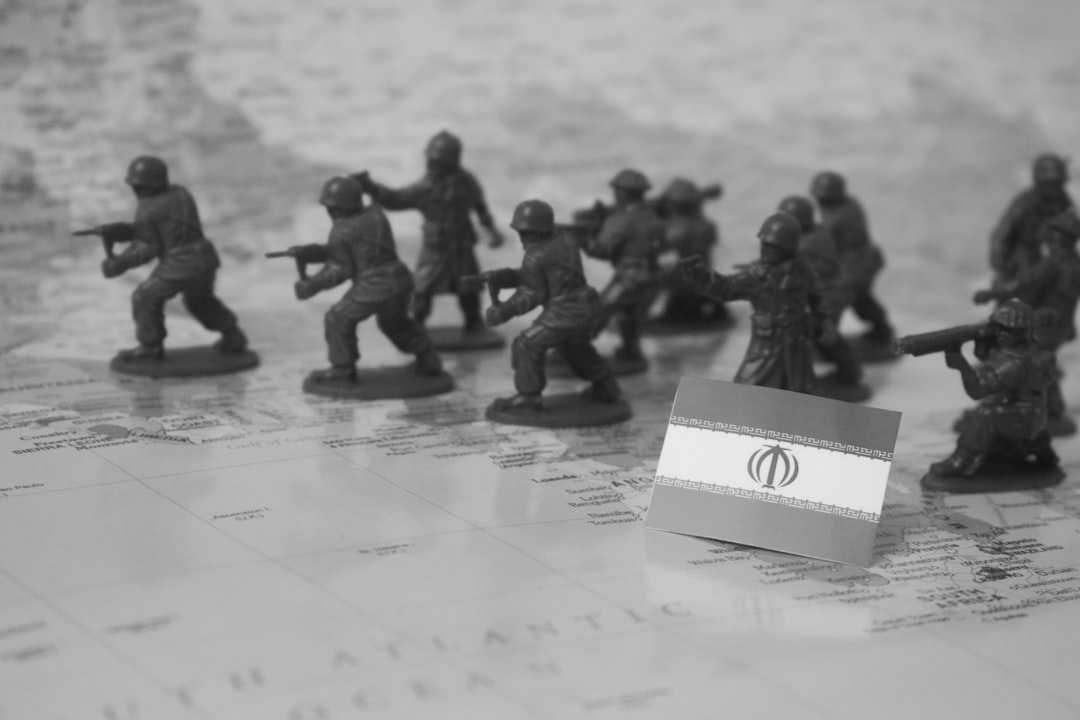
The ongoing conflict involving Iran has sent ripples through the global energy markets, predominantly affecting Europe's strategic plans. Historically reliant on stable energy imports, European nations find themselves grappling with the instability that geopolitical tensions introduce. The Middle East, a major supplier of oil and natural gas, has become a flashpoint, compelling Europe to reconsider its dependency on these external sources. Energy security, a long-standing priority, is increasingly at risk as the conflict continues to escalate.
The Shift Towards Renewable Energy
In response to the volatility in traditional energy markets, European countries are accelerating their shift towards renewable energy sources. Solar, wind, and hydroelectric power present more sustainable and less politically fraught alternatives. However, this transition is not without its challenges. Infrastructure needs significant investment, and the timeline for reducing dependency on fossil fuels is constrained by immediate energy demands exacerbated by the Iranian situation. Nonetheless, the push for renewables is gaining momentum as a strategic priority.
Diversification of Energy Sources
To mitigate risks associated with reliance on Middle Eastern energy, Europe is actively seeking to diversify its energy sources. This involves exploring new partnerships, such as increasing imports from the United States and other non-OPEC countries. Additionally, investments in technology that enable energy storage and efficiency are being prioritized to buffer against supply shocks. The diversification strategy is aimed at building resilience in energy supply chains, ensuring that Europe can withstand geopolitical disruptions.
Impact on Energy Prices
The conflict has also led to fluctuations in energy prices, with oil and gas experiencing significant price hikes. This volatility affects not only energy companies but also has broader economic implications for European industries and consumers. Governments are under pressure to mitigate these effects, either through subsidies or strategic reserves, to cushion the impact on the economy. The price instability highlights the urgent need for a cohesive energy policy that can adapt to such external shocks.
Policy Implications and Future Outlook
The intersection of the Iran conflict and Europe's energy plans underscores the need for robust policy-making. European Union leaders are tasked with crafting strategies that balance immediate energy needs with long-term sustainability goals. The situation presents an opportunity for Europe to lead in global energy innovation, setting an example for how to navigate geopolitical challenges while advancing environmental objectives. The future of Europe's energy landscape will heavily depend on how effectively these policies are implemented.