The Impact of U.S. AI Chip Policies on TSMC's Profit Margins
How Trump's American-Made AI Chip Initiative Affects Global Semiconductor Leaders
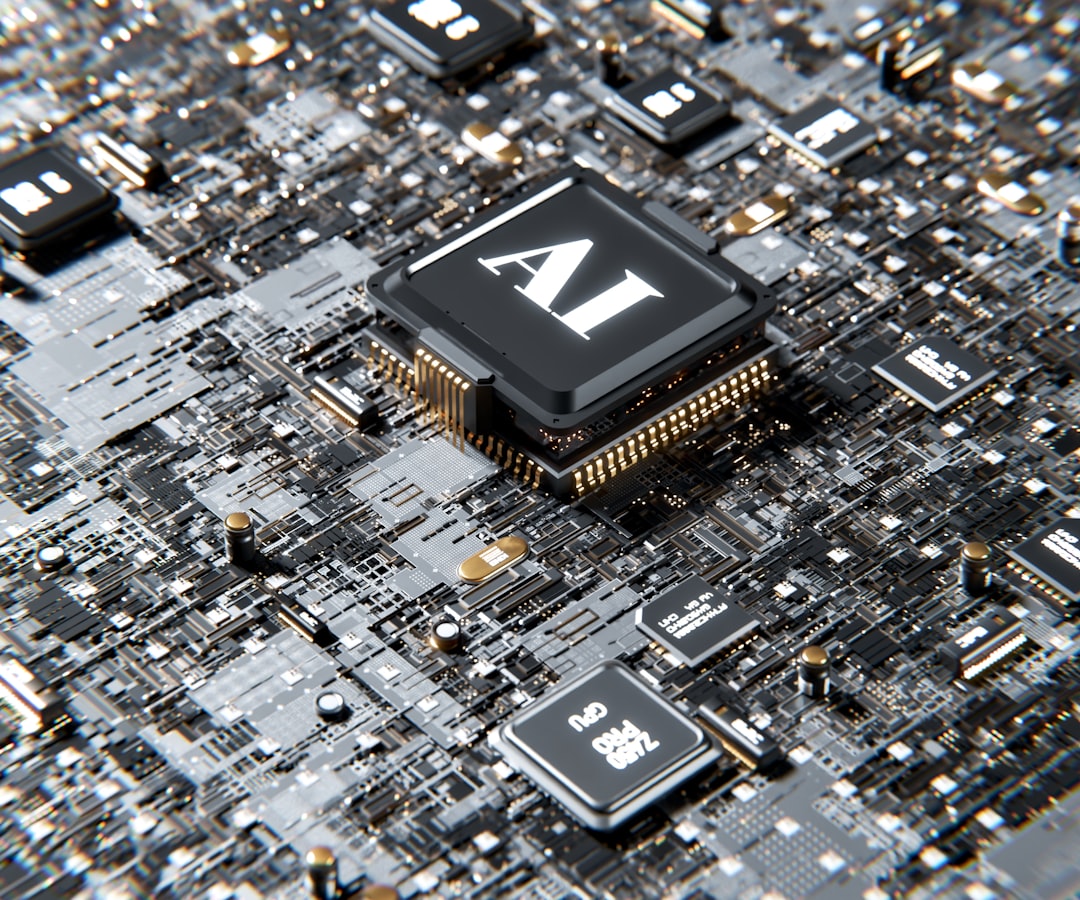
U.S. Push for Domestic AI Chip Production
In recent years, the United States has intensified efforts to bolster domestic production of advanced technologies, including artificial intelligence (AI) chips. This initiative, spearheaded by former President Donald Trump, aims to reduce reliance on foreign manufacturing, ensuring national security and technological leadership. By incentivizing companies to produce AI chips within the U.S., the government seeks to create a robust domestic supply chain that can withstand global disruptions and geopolitical tensions.
TSMC: A Semiconductor Powerhouse
Taiwan Semiconductor Manufacturing Company (TSMC) is a leading player in the global semiconductor industry, renowned for its cutting-edge technology and manufacturing capabilities. As one of the primary suppliers of advanced chips, TSMC plays a critical role in the supply chains of major tech giants. However, the push for American-made AI chips presents challenges for TSMC, as it may face reduced demand from U.S.-based companies that are encouraged to source domestically produced alternatives.
Economic Implications for TSMC
The shift towards American-made AI chips could significantly impact TSMC's profit margins. By potentially losing business from U.S. tech companies, TSMC may need to reevaluate its market strategies and explore new opportunities to maintain its growth trajectory. While TSMC has plans to expand its manufacturing footprint in the U.S., such efforts require substantial investment and time, which may affect short-term profitability. Additionally, competition from emerging U.S. semiconductor firms could pose further challenges to TSMC's market dominance.
Global Semiconductor Landscape
The U.S. initiative to produce AI chips domestically is part of a broader trend of reshaping the global semiconductor landscape. Countries worldwide are striving to enhance their semiconductor capabilities to secure a strategic advantage in the technology sector. As the competition intensifies, semiconductor companies, including TSMC, must navigate an increasingly complex market environment. This situation underscores the importance of innovation, strategic partnerships, and adaptability in maintaining a competitive edge.
Future Prospects and Strategic Adjustments
Looking ahead, TSMC and other global semiconductor firms will need to adapt to the evolving landscape. This may involve diversifying their product offerings, investing in research and development, and forming alliances with tech companies and governments. As the demand for AI chips continues to grow, driven by advancements in AI applications and technologies, the semiconductor industry remains poised for transformative developments. TSMC's ability to navigate these changes will be crucial in sustaining its leadership position in the market.