Kevin Warsh Surprises Washington: Fed Chair Proves Independence with Bold Decisions
Contrary to Expectations, Warsh's Early Actions Signal a Break from Trump-Era Policies

Kevin Warsh Takes the Helm
In a political climate where affiliations and perceived loyalties often dictate decision-making, Kevin Warsh's appointment as the Federal Reserve Chair was met with skepticism from many Democrats. Many believed Warsh, a former Federal Reserve governor and economic advisor to President George W. Bush, would align closely with former President Donald Trump's economic policies. However, Warsh's initial actions have demonstrated a surprising level of independence, much to the astonishment and relief of those who anticipated a different trajectory.
Challenging Expectations
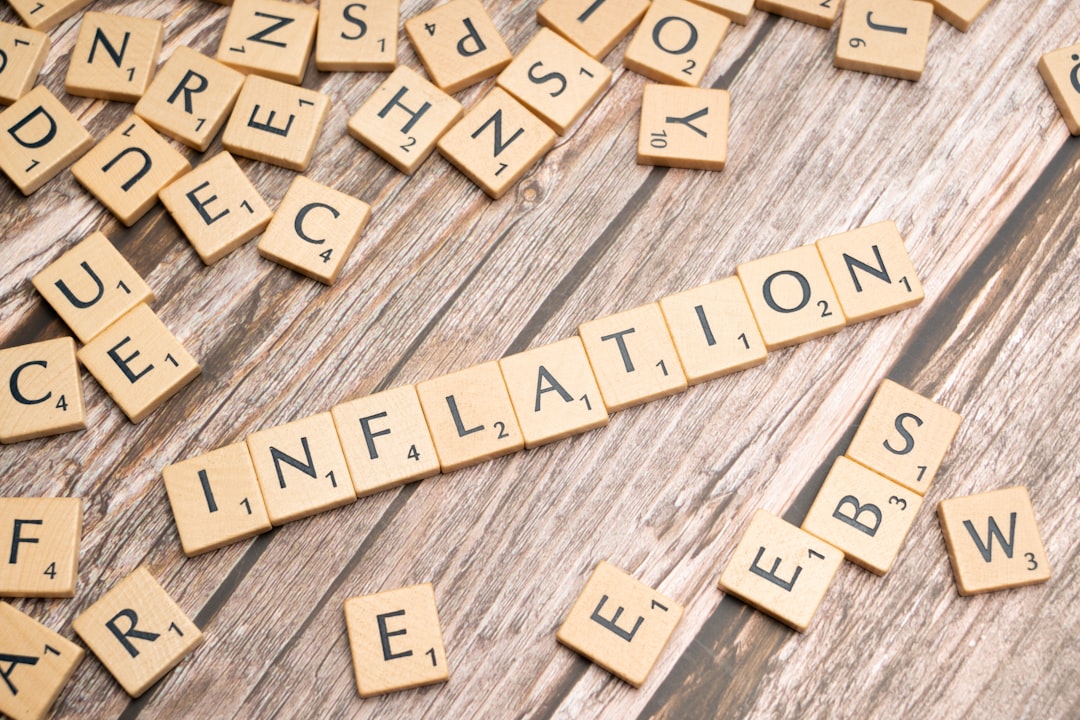
From the outset, Warsh has shown a willingness to diverge from the policies that characterized the Trump administration's approach to the Federal Reserve. Rather than adhering to a path that might favor Trump's economic agenda, Warsh has prioritized a more balanced and data-driven approach. His focus appears to be on stabilizing the economy amid fluctuating market conditions and addressing inflation concerns without political bias.
Policy Moves that Signal Change
One of Warsh's first significant moves was to implement a modest interest rate hike, a decision aimed at curbing inflationary pressures that have been mounting over the past year. This move was a clear departure from the previous administration's preference for lower rates to stimulate growth. By taking this step, Warsh has signaled his commitment to maintaining the Fed's independence and focusing on long-term economic health rather than short-term political gains.
Reactions from Both Sides
Reactions to Warsh's decisions have been mixed but largely positive among economists and market analysts. While some conservatives have expressed concerns over the potential impact of higher interest rates on economic growth, many Democrats and centrists have praised Warsh for his pragmatic approach. His willingness to make tough decisions, even if they are unpopular with certain political factions, underscores his dedication to the Fed's core mission of fostering a stable and healthy economy.
Looking Ahead
As Warsh continues to navigate his role, the focus will be on how he balances the competing demands of inflation control, economic growth, and employment levels. His early moves suggest a comprehensive strategy aimed at addressing these challenges without succumbing to political pressure. As the global economy faces uncertainties, Warsh's leadership will be crucial in steering the U.S. economy through potential storms ahead.