Japan's Strategic Move: Unpacking the Sale of U.S. Treasuries for Yen Stability
Examining the Implications of Japan's Recent Financial Maneuvers
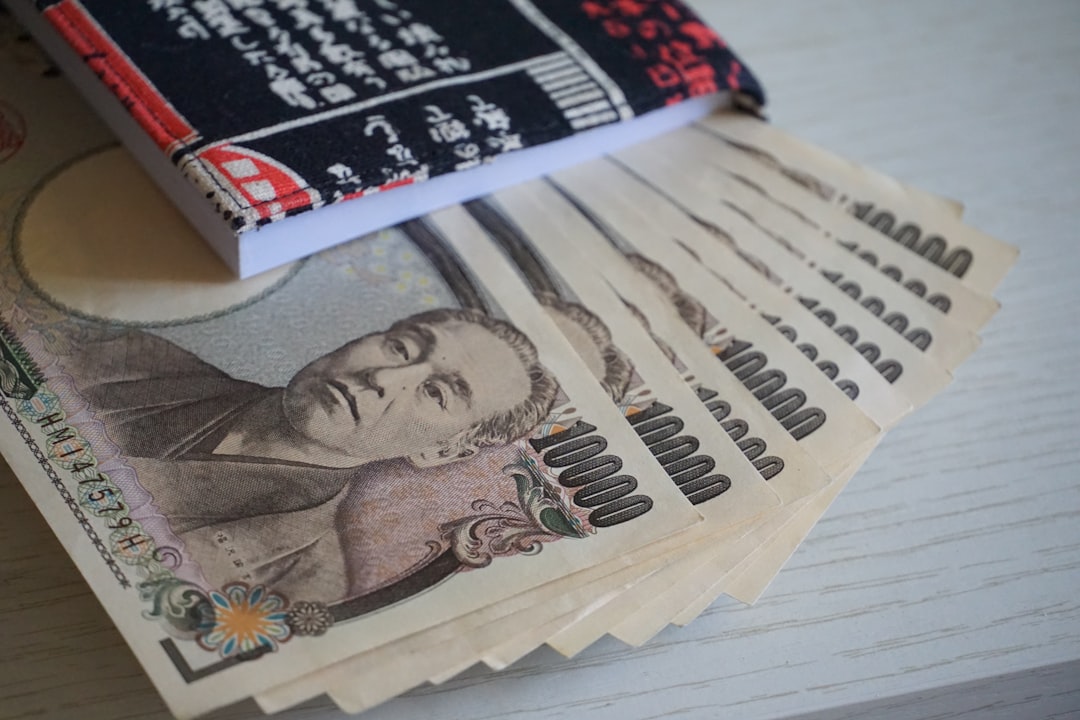
Understanding Japan's Financial Strategy
In recent weeks, Japan has undertaken significant financial measures to stabilize its national currency, the yen. Reports suggest that the Japanese government has sold U.S. Treasuries to fund its efforts in the currency market. This move is part of a broader strategy to combat the yen's depreciation against the dollar, a situation that has raised concerns among policymakers and investors alike. By selling off part of its vast holdings of U.S. Treasuries, Japan aims to inject liquidity into the market and support the yen, thereby mitigating the adverse effects of a strong dollar.
The Impact of Yen Depreciation
The yen's depreciation has been a source of concern for Japan, particularly as it affects the country's import costs and inflation rates. A weaker yen makes imports more expensive, increasing costs for businesses and consumers. This situation can exacerbate inflationary pressures, which have already been elevated due to global supply chain disruptions and rising energy prices. By intervening in the currency market, Japan hopes to stabilize the yen and prevent further economic instability.
The Role of U.S. Treasuries in Japan's Strategy
U.S. Treasuries are a critical component of Japan's foreign exchange reserves, and their sale represents a significant financial maneuver. Japan holds one of the largest portfolios of U.S. government debt, and liquidating a portion of these assets allows Japan to raise the necessary funds for its yen intervention. This strategy highlights the interconnectedness of global financial markets, where decisions made in one country can have ripple effects worldwide.
Global Reactions and Market Implications
Japan's actions have not gone unnoticed on the global stage. Market analysts and international financial institutions are closely monitoring the situation, as Japan's sale of U.S. Treasuries could influence interest rates and bond yields. Additionally, other countries facing similar currency challenges may look to Japan's strategy as a potential model for their interventions. The interconnected nature of the global economy means that Japan's financial decisions could set precedents or trigger responses from other central banks.
Future Prospects for the Yen and Japan's Economy
Looking ahead, the success of Japan's intervention in the currency market will depend on several factors, including the global economic outlook and future U.S. interest rate policies. Japan's ability to maintain a stable yen is crucial for its economic recovery, particularly as the country seeks to balance growth with inflation control. The outcome of these measures will be closely watched by international investors and policymakers, as Japan navigates the challenges of a volatile global financial landscape.