Japan's Defence Leader Voices Concerns Over Car Plant Drone Conversion
Transformation of Automotive Factories to Drone Manufacturing Faces Skepticism from Industry Experts
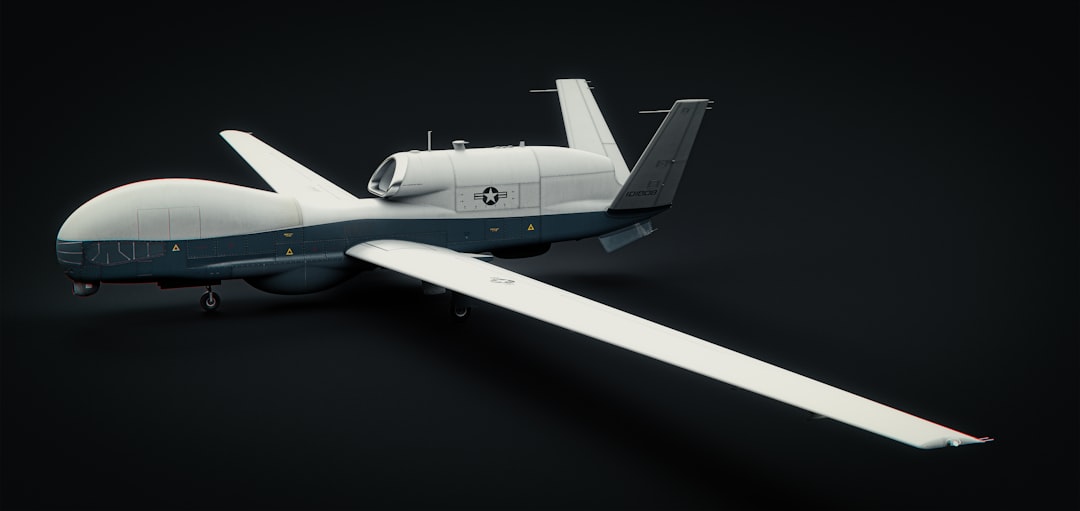
Industry Shift: From Automobiles to Aerial Warfare
As global tensions rise, nations are exploring innovative ways to bolster their defense capabilities. Among these is the proposal to convert automotive factories into production lines for military drones. This idea, while seemingly efficient, raises significant concerns among industry experts, particularly in Japan. The country's defense sector, renowned for its precision and technological advancements, is wary of the potential pitfalls of such a transformation.
Challenges in Converting Car Plants
The concept of repurposing car manufacturing plants to produce drones seems appealing due to the existing infrastructure and workforce. However, experts argue that the technical and logistical challenges involved could outweigh the benefits. Automotive factories are designed for high-volume, repetitive production of large components, whereas drone manufacturing requires precision engineering and specialized materials. The transition would necessitate substantial investment in new technologies and retraining of the workforce, which may not be justifiable given the current economic landscape.
Expert Opinions on Feasibility
Prominent figures in Japan's defense industry have expressed skepticism about the feasibility of this conversion strategy. They highlight that the intricacies of drone technology, including avionics, stealth capabilities, and advanced weaponry systems, require a level of expertise and specialization that automotive plants currently lack. Furthermore, the integration of cutting-edge technologies such as artificial intelligence and autonomous navigation systems would demand a significant overhaul of existing manufacturing processes.
Economic and Strategic Implications
Beyond the technical challenges, there are economic and strategic implications to consider. The Japanese economy relies heavily on its automotive sector, and any disruption to this industry could have far-reaching consequences. Additionally, the strategic importance of maintaining a robust and independent defense production capability cannot be overstated. Relying on converted car plants for drone production might compromise the quality and reliability of the defense equipment, potentially impacting national security.
A Call for Caution and Innovation
While the idea of converting car plants to drone factories is innovative, Japanese defense leaders urge caution. They advocate for a more measured approach that involves investing in dedicated drone manufacturing facilities and fostering collaboration between the automotive and defense sectors. By leveraging the strengths of both industries, Japan can ensure that its defense capabilities remain cutting-edge without compromising the integrity of its automotive prowess.