Inflation Squeeze: April Sees Surprising Surge in Grocery Bills
Beyond Gas Prices: Unraveling the Factors Behind April's Grocery Inflation
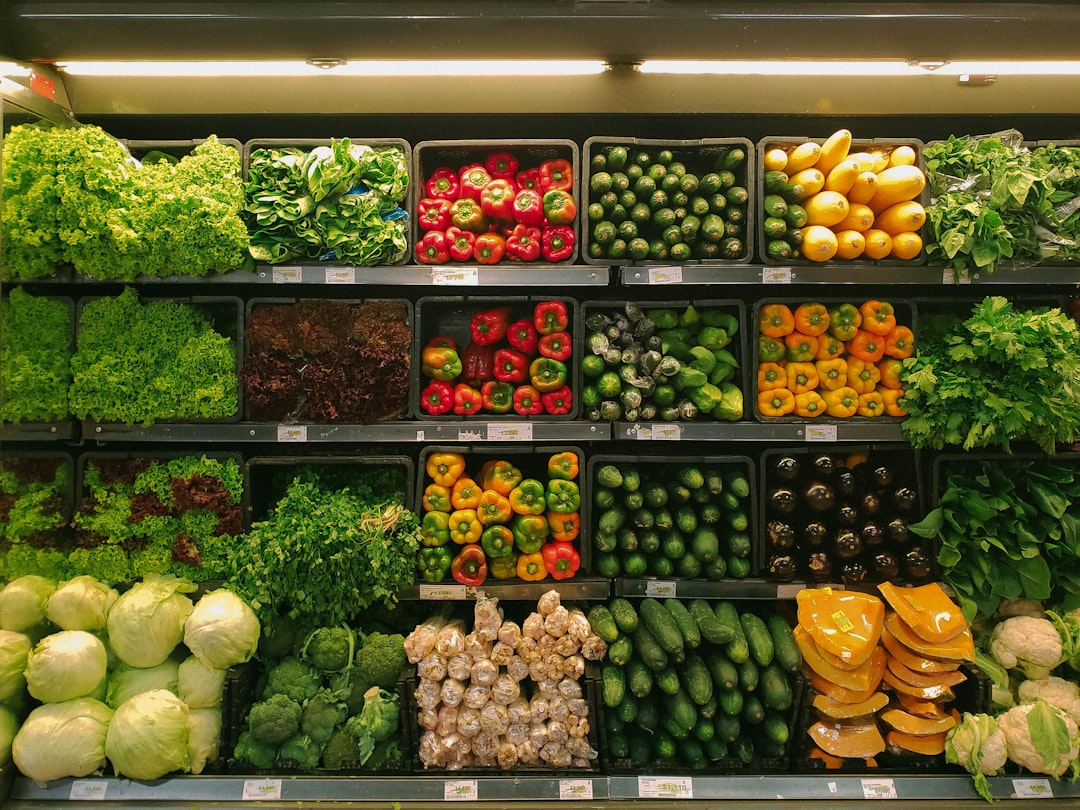
Understanding April's Grocery Inflation
In April 2023, US consumers experienced a noticeable uptick in grocery prices. While the increase in gas prices has been a significant factor, it isn't the only reason behind the inflationary pressure on groceries. This article delves into the multifaceted reasons contributing to the surge in food costs, impacting households across the nation.
The Role of Gas Prices
Gas prices have indeed played a role in the inflation of grocery prices. The transportation of goods depends heavily on fuel, and when gas prices spike, the cost of moving products from farms to stores rises. This increase is often passed on to consumers, making everyday items more expensive.
Supply Chain Disruptions
Beyond fuel, supply chain disruptions continue to challenge the grocery sector. Global events, labor shortages, and logistical bottlenecks have compounded the difficulties in getting products to shelves efficiently. These disruptions often lead to shortages and increased costs, which are reflected in the prices consumers pay.
Impact of Weather Conditions
Adverse weather conditions have also played a part in the rising grocery prices. Unpredictable weather patterns have affected crop yields, leading to reduced supply and increased prices for certain staples. This effect is particularly noticeable in the produce section, where volatility in supply can lead to significant price swings.
Rising Costs of Raw Materials
The cost of raw materials has been on the rise, driven by increased demand and limited supply. Essential ingredients like grains and oils have seen price hikes, which translate into higher costs for a wide range of grocery products. This trend is expected to continue as global demand remains strong.
Consumer Behavior and Demand
Consumer behavior has also influenced grocery prices. As more people shifted towards home cooking and bulk buying during the pandemic, the demand for certain products surged. This increased demand, coupled with supply constraints, has led to higher prices across various grocery categories.
Looking Ahead: What to Expect
As we move further into 2023, experts predict that grocery prices may stabilize but are unlikely to decrease significantly in the short term. Consumers should brace for continued volatility and consider strategic shopping habits to mitigate the impact of ongoing inflationary pressures.