Global Oil Tanker Scarcity: The Hidden Catalyst Behind Surging Gas Prices
Exploring the Impact of Limited Oil Transport on Fuel Costs
Understanding the Oil Tanker Shortage Crisis
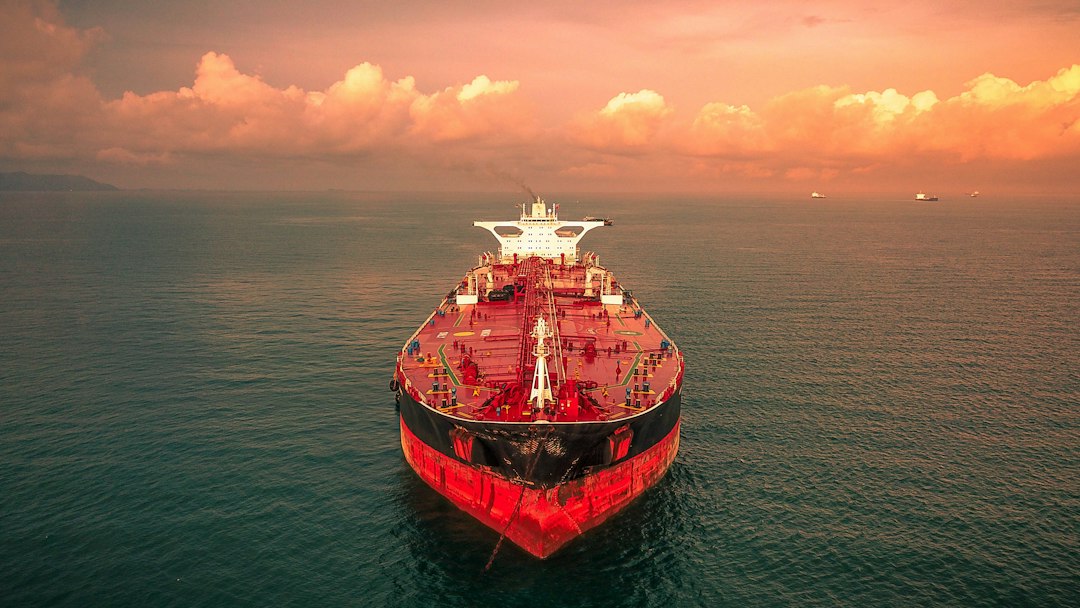
The global economy is currently grappling with an unexpected crisis: a significant shortage of oil tankers. These vessels, which are crucial for transporting crude oil across the world, have become increasingly scarce due to a combination of factors including aging fleets, stricter environmental regulations, and disruptions in shipbuilding. This shortage has created a bottleneck in the supply chain, leading to elevated transportation costs and, consequently, higher gas prices at the pump.
The Ripple Effect on Gas Prices
The impact of the oil tanker shortage is being felt acutely by consumers, who are now facing higher gas prices. With fewer tankers available to transport oil, the cost of shipping has surged. This increase in transportation costs is ultimately passed down to consumers, as refineries and distributors adjust their prices to account for the higher expenses. The result is a persistent rise in gas prices, which shows no signs of abating in the near future.
Factors Contributing to the Shortage
Several factors are driving the current scarcity of oil tankers. Firstly, many existing tankers are reaching the end of their operational lifespan, leading to a reduced number of available vessels. Additionally, new environmental regulations have increased the cost and complexity of building compliant ships. The COVID-19 pandemic has further compounded the issue by disrupting global supply chains and delaying shipbuilding projects. Together, these elements have created a perfect storm, limiting the availability of oil tankers and driving up costs.
The Role of Environmental Regulations
Environmental regulations have played a significant role in shaping the oil tanker market. As countries strive to reduce carbon emissions, stricter standards have been imposed on shipbuilders. These regulations require new tankers to be more fuel-efficient and environmentally friendly, which increases the cost and complexity of ship construction. As a result, the pace of new tanker deliveries has slowed, contributing to the current shortage.
Potential Solutions and Future Outlook
To address the oil tanker shortage, stakeholders in the shipping and oil industries are exploring several potential solutions. These include investing in the construction of new tankers, retrofitting existing ships to meet environmental standards, and enhancing logistics to optimize the use of available vessels. While these measures may help alleviate the shortage in the long term, the immediate outlook remains challenging. As global demand for oil continues to rise, the pressure on transportation infrastructure is likely to persist, keeping gas prices elevated.