Fluctuating Oil Prices: A Deep Dive into Supply Dynamics
Understanding the Impact of Global Supply Concerns on Oil Markets
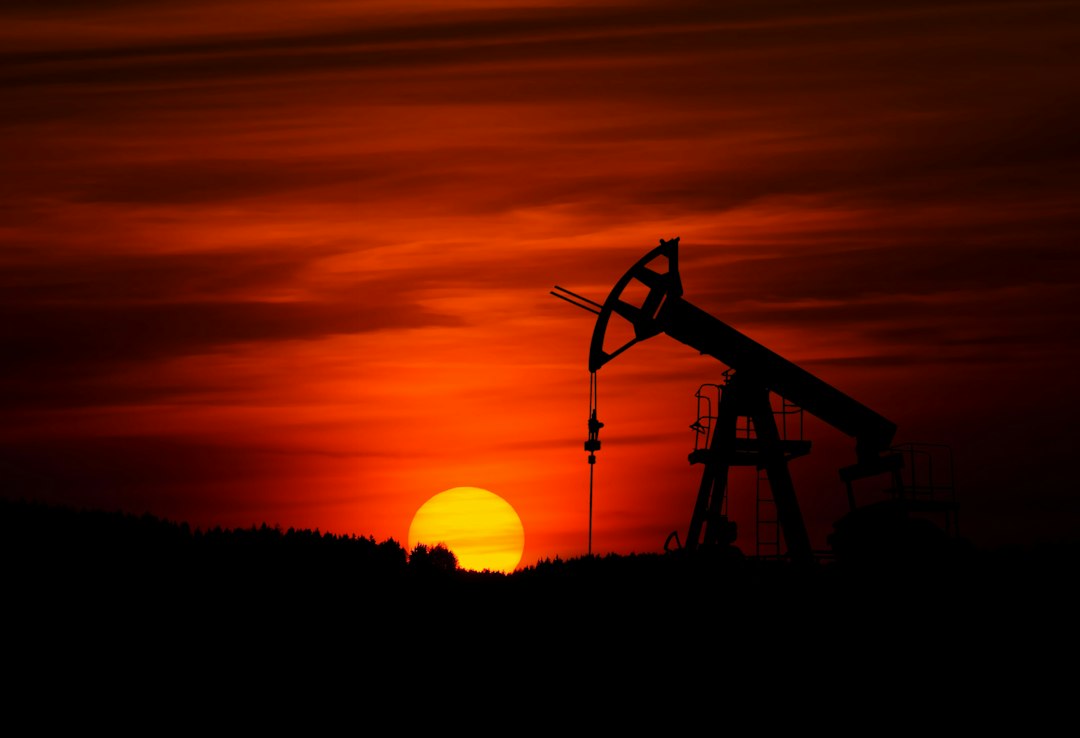
The Current State of Oil Prices
Recently, oil markets have witnessed significant volatility, with prices experiencing sharp reversals. Initially, there were gains due to anticipated supply cuts, but these were quickly offset by renewed concerns over global supply. Traders and investors closely monitor these fluctuations, which are influenced by geopolitical tensions, production decisions by major oil-producing countries, and changing demand patterns.
Factors Influencing Oil Price Volatility
Oil prices are inherently volatile due to several factors. Geopolitical events in oil-rich regions, such as the Middle East, can lead to sudden supply disruptions. Additionally, decisions made by organizations like OPEC to cut or increase production play a pivotal role. Market sentiment, driven by economic indicators and forecasts, also contributes to price movements. Furthermore, technological advancements in extraction and changes in energy policy can influence supply dynamics.
The Role of OPEC and Other Key Players
The Organization of the Petroleum Exporting Countries (OPEC) and its allies, often referred to as OPEC+, are central to the global oil supply equation. Their production quotas and strategic decisions impact the market significantly. Recently, there have been discussions about potential production cuts to stabilize prices. However, the effectiveness of such measures depends on the compliance of member countries and the response of other major oil producers like the United States and Russia.
Geopolitical Tensions and Their Impact
Geopolitical tensions, such as conflicts in the Middle East or sanctions on major oil producers, can lead to fears of supply shortages. These fears often result in speculative trading, driving up prices. Conversely, easing tensions or diplomatic breakthroughs can lead to price declines. Traders must navigate these complexities, making predictions challenging. The current landscape is marked by uncertainty, with ongoing tensions in various regions creating a precarious equilibrium.
Demand Shifts in a Changing World
Global demand for oil is evolving due to several factors, including the transition to renewable energy sources and changes in consumer behavior. The COVID-19 pandemic led to a significant drop in demand, but as economies recover, demand patterns are shifting. The rise of electric vehicles and increased efficiency in industrial processes are also impacting demand. Understanding these trends is crucial for predicting future price movements.
Looking Ahead: Future Prospects for Oil Prices
The future of oil prices is uncertain, with multiple variables at play. Analysts are closely watching potential supply disruptions, regulatory changes, and technological advancements in the energy sector. While some predict a stabilization of prices due to balanced supply and demand, others foresee continued volatility. Investors and policymakers must remain vigilant, adapting strategies to navigate this complex and unpredictable market landscape.