Beyond Inflation: The Market Implications of the Prolonged Iran Conflict
Exploring the Geopolitical Risks Affecting Global Markets Amidst Ongoing Tensions
Geopolitical Tensions and Their Impact on Markets
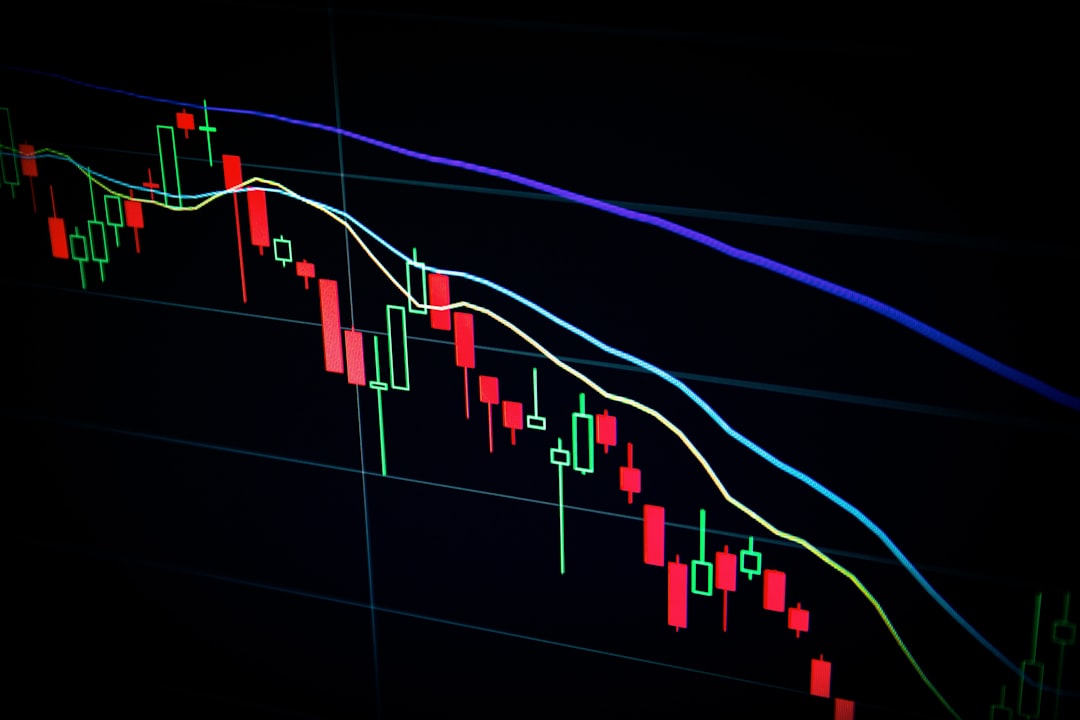
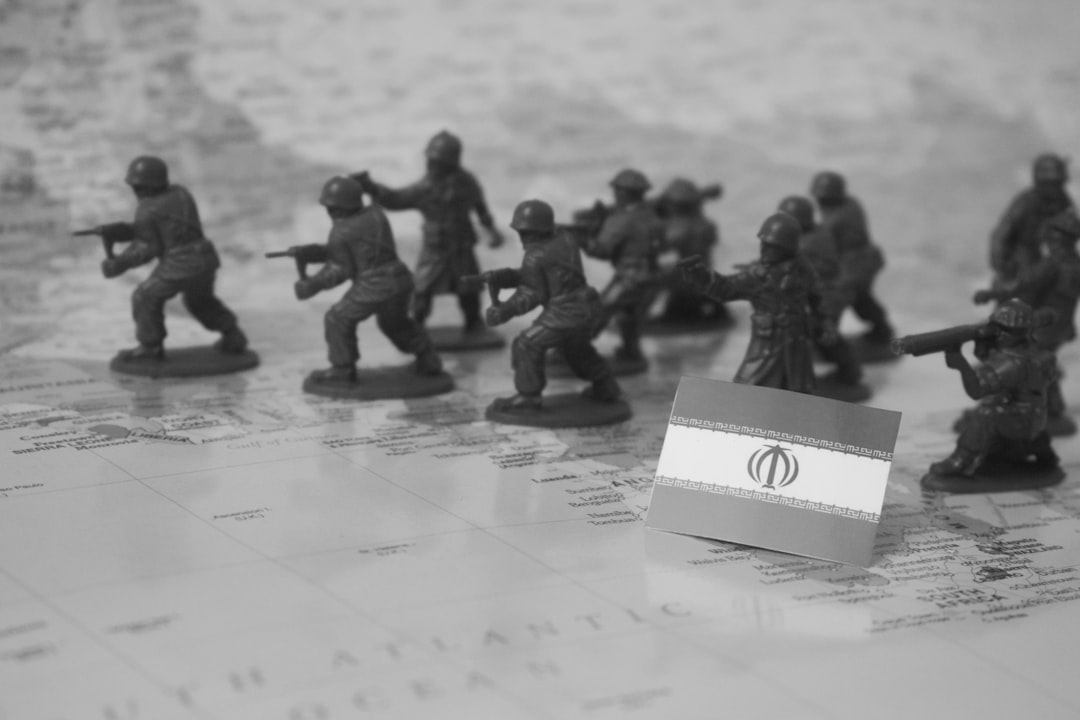
The prolonged conflict involving Iran has introduced a new set of challenges for global markets. While inflation has been a dominant theme affecting investor sentiment, the geopolitical tensions arising from the Iran situation are creating additional uncertainties. These tensions have the potential to disrupt supply chains, affect energy prices, and increase market volatility. Investors are keeping a close watch on developments in the Middle East, as any escalation could have far-reaching consequences for global market stability.
Energy Markets in the Crosshairs
One of the most immediate effects of the Iran conflict is its impact on energy markets. Iran is a significant player in the global oil market, and any disruption in its oil exports can lead to increased oil prices. The Strait of Hormuz, a critical chokepoint for global oil shipments, is particularly vulnerable to geopolitical tensions. Any threats to the free flow of oil through this region could result in supply shortages and price spikes, affecting not just energy companies but also industries reliant on oil and gas.
Supply Chain Disruptions and Economic Implications
Beyond energy markets, the Iran conflict poses risks to global supply chains. Sanctions and political instability can lead to disruptions in the supply of goods, affecting industries ranging from manufacturing to technology. Companies with operations or suppliers in the region are particularly vulnerable. These disruptions can lead to increased costs, delays in production, and challenges in meeting consumer demand, ultimately impacting corporate earnings and economic growth.
Investor Strategies in Uncertain Times
Amidst these challenges, investors are re-evaluating their strategies to mitigate risks associated with the Iran conflict. Diversification remains a key strategy, as spreading investments across various sectors and regions can help cushion against localized geopolitical risks. Additionally, some investors are turning to safe-haven assets like gold and government bonds to protect against market volatility. Understanding the broader implications of geopolitical events and adjusting investment portfolios accordingly is crucial for navigating these uncertain times.
The Role of Diplomacy and Potential Resolutions
While the current outlook is fraught with risks, diplomacy could play a significant role in resolving the Iran conflict. Diplomatic efforts and negotiations have the potential to de-escalate tensions and stabilize markets. Investors and market analysts are closely monitoring diplomatic developments, as positive resolutions could lead to improved market sentiment and reduced volatility. The involvement of international organizations and key stakeholders is essential in finding a peaceful resolution to the conflict.